AQA RP1 context
Enzymes: plan a pH comparison
Investigate how pH affects a supplied enzyme reaction, using the volume of product collected over 45 seconds.
AQA 3.1.4 · OCR A 2.1.4
Open workbenchA-level Biology · AQA and OCR A
Connect a practical design to the evidence it can support. Compare matched and flawed examples, then explain what the results allow you to conclude.
Six workbenches with 18 design decisions, 12 calculations and six written evaluations. Each has saved work, stage review, optional plotted summaries and printable worksheets.
AQA RP1 context
Investigate how pH affects a supplied enzyme reaction, using the volume of product collected over 45 seconds.
AQA 3.1.4 · OCR A 2.1.4
Open workbenchAQA RP3 context
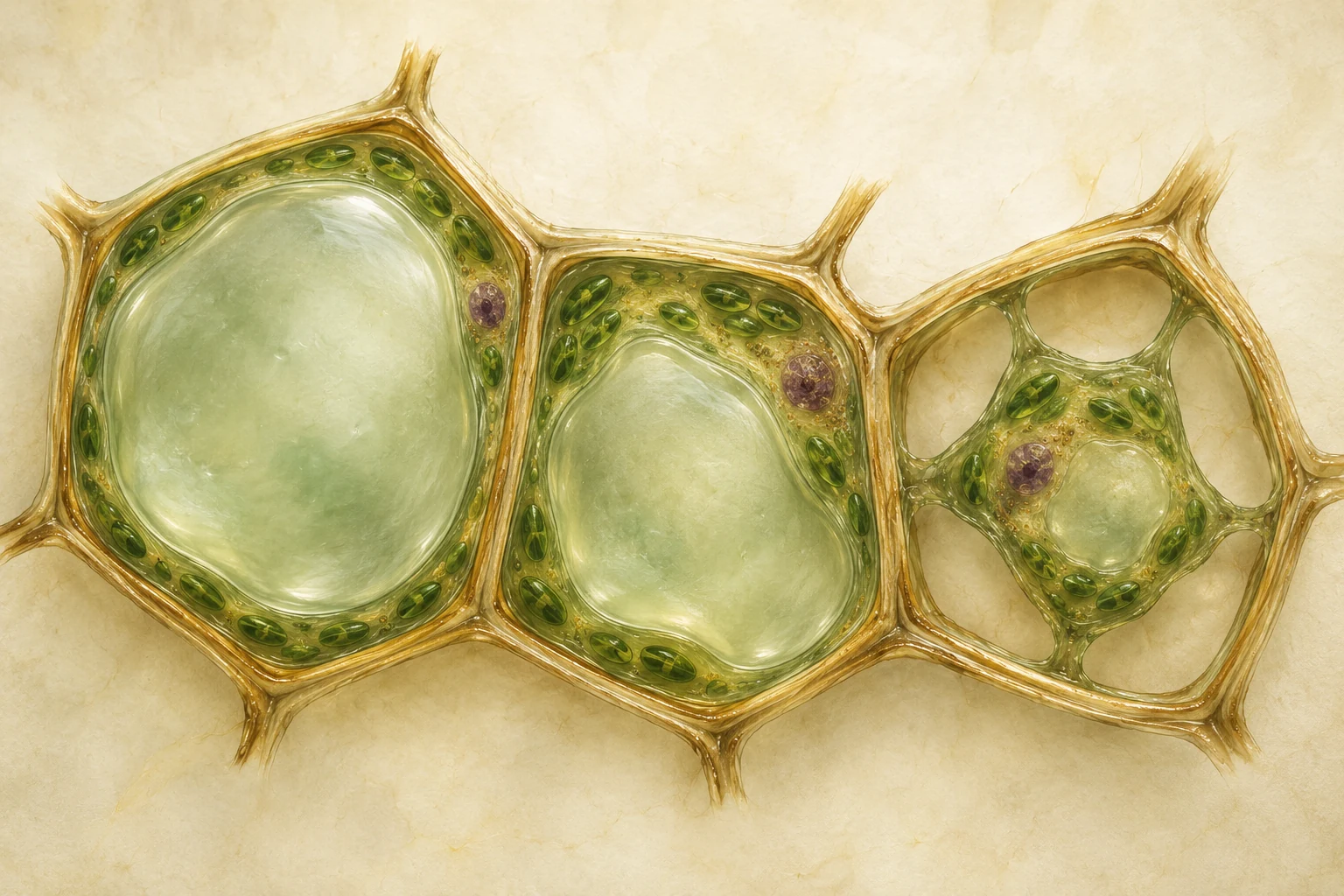
Investigate the effect of external sucrose concentration on the mass change of comparable plant-tissue pieces.
AQA 3.2.3, 3.1.7 · OCR A 2.1.5
Open workbenchAQA RP4 context
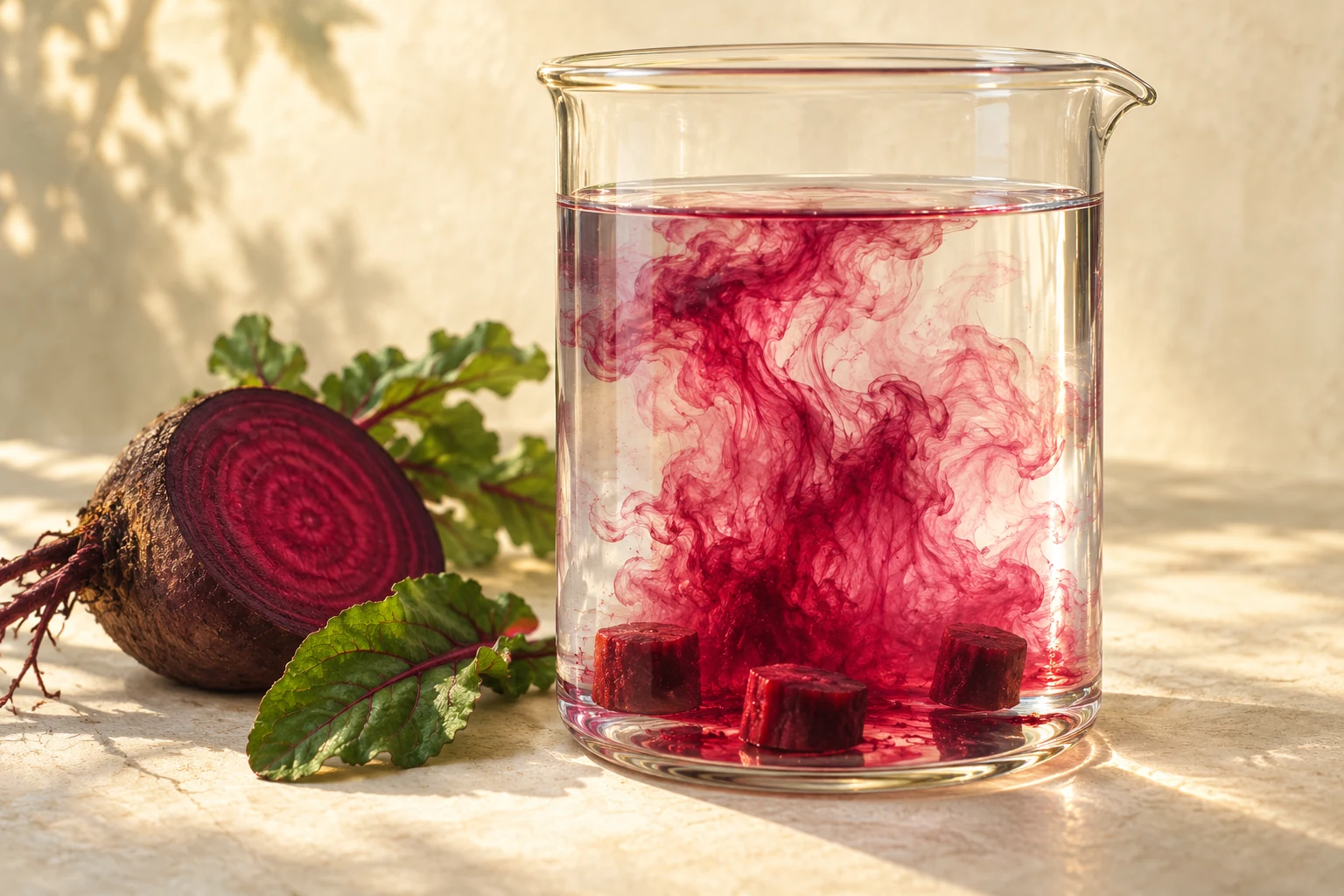
Investigate how treatment temperature relates to pigment released from comparable coloured plant tissue over a fixed interval.
AQA 3.2.3 · OCR A 2.1.5
Open workbenchAQA RP8 context
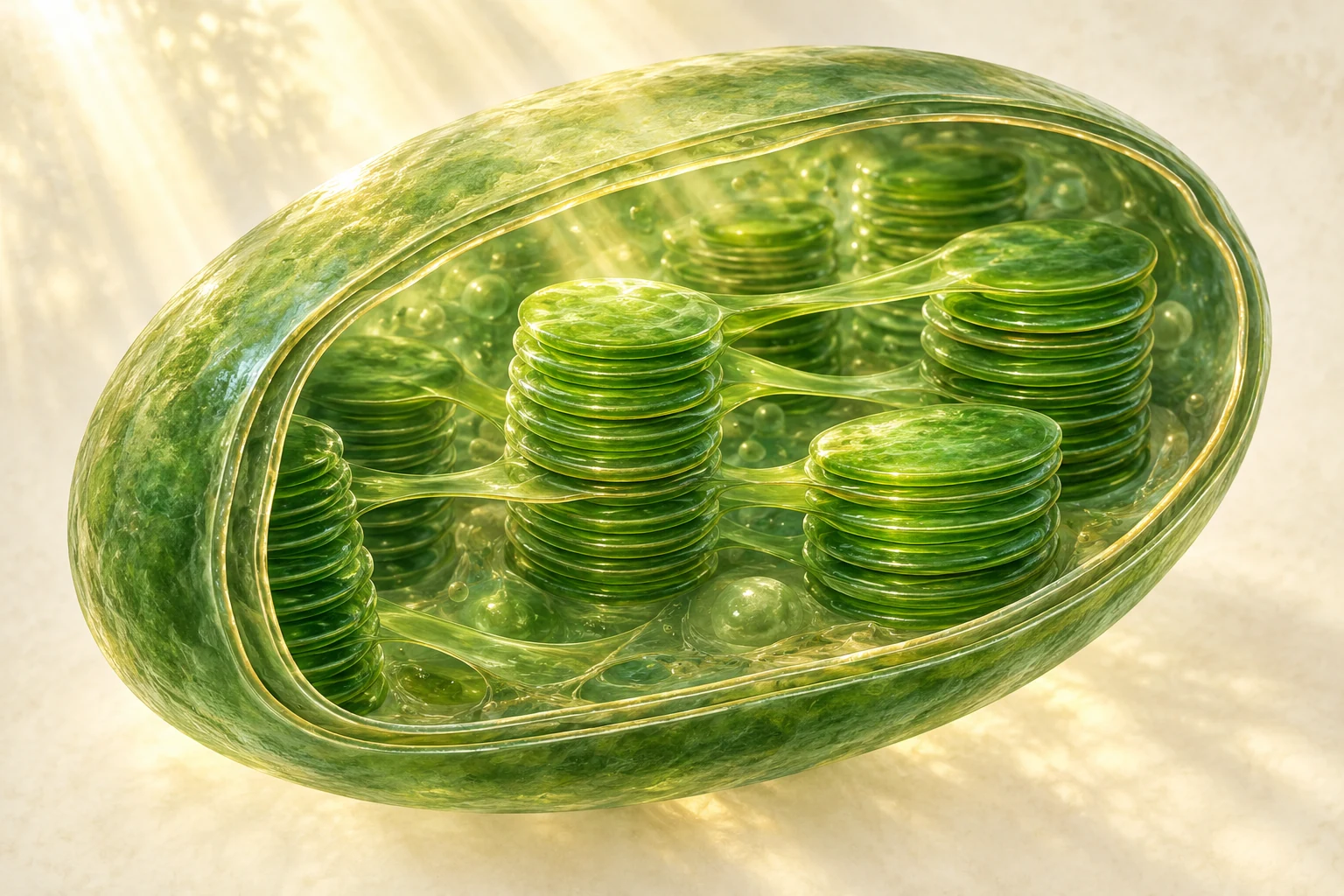
Investigate light intensity and a redox-indicator absorbance change in a supplied chloroplast assay.
AQA 3.5.1 · OCR A 5.2.1
Open workbenchRespiration reasoning; AQA RP9 connection, not its identical protocol
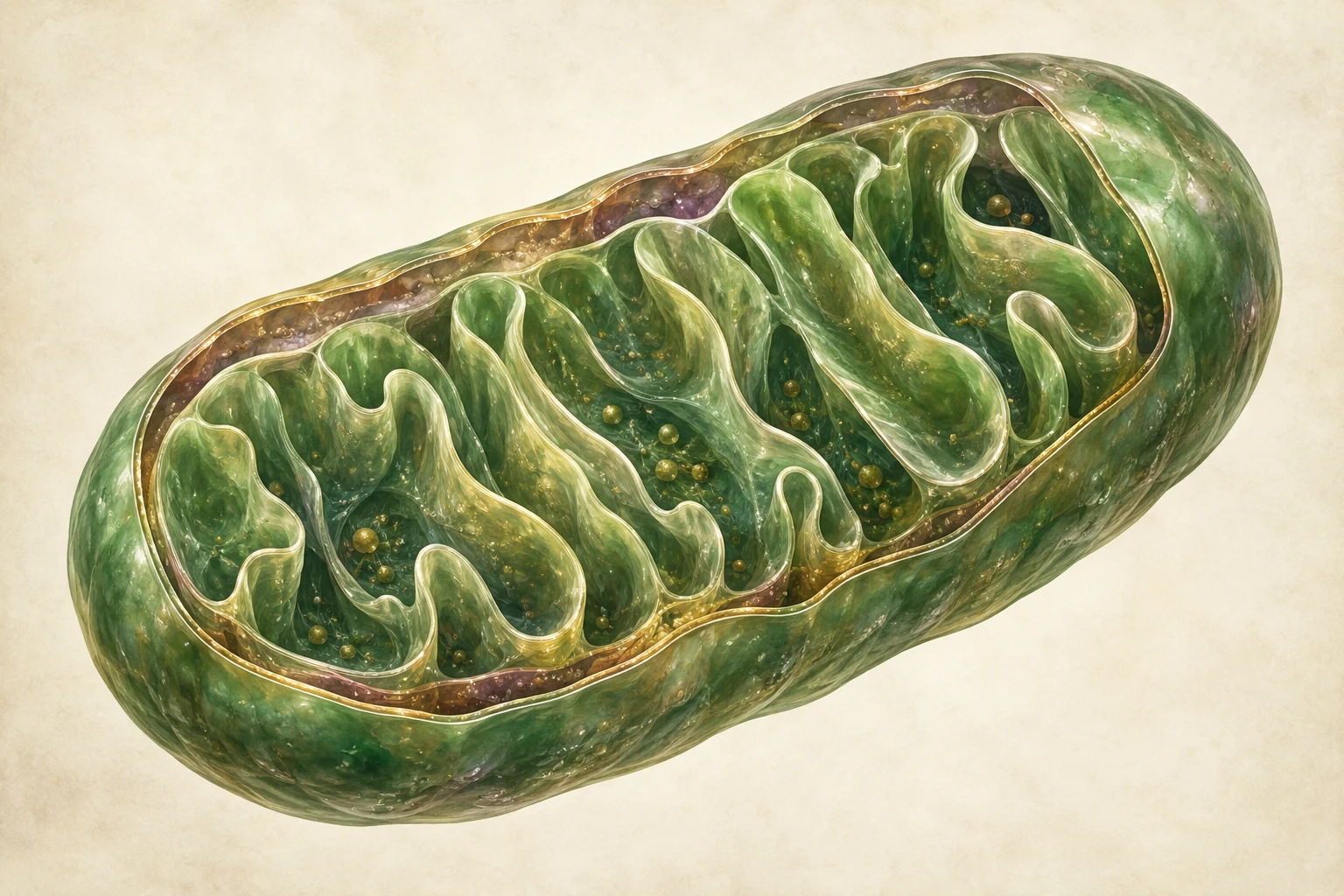
Investigate temperature and gas-displacement readings for comparable respiring material over five minutes.
AQA 3.5.2 · OCR A 5.2.2
Open workbenchAQA RP12 context
Investigate an association between soil moisture and the density of one plant species across habitat zones.
AQA 3.7.4, 3.4.7 · OCR A 6.3.1, 4.2.1
Open workbenchChanging the evidence setting selects an authored dataset. It can illustrate a confound, a biased sample or the difference between one reading and several. It does not predict the outcome of a real experiment.
These are practical reasoning activities, not laboratory protocols or practical-endorsement assessment. Use your course resources and teacher’s guidance for the complete required work.